

We began by asking frontline nursing staff about their experiences and workflow. In unit-based meetings, we asked about workplace violence events, including name calling, verbal or physical threats, sexual comments, and encounters with physical aggression. When we asked nurses if they felt comfortable reporting these events, most said no.

When “just asking AI” becomes a HIPAA problem
Here’s the wrinkle: Being on an approved device doesn’t mean every use of it is automatically clean. In 2026, as described by Adler, patients filed suits against several health systems over AI scribe and ambient-documentation tools that recorded clinician–patient conversations for transcription. The central allegation in these still-unresolved cases isn’t about data storage, it’s about consent. Did patients clearly agree to being recorded before it started?

Workplace Safety: A multidisciplinary approach
We began by asking frontline nursing staff about their experiences and workflow. In unit-based meetings, we asked about workplace violence events, including name calling,…

When “just asking AI” becomes a HIPAA problem
Here’s the wrinkle: Being on an approved device doesn’t mean every use of it is automatically clean. In 2026, as described by Adler, patients…

HAPI reduction through process improvement
Hostpital-acquired pressure injuries (HAPIs), areas of localized skin and tissue damage that develop when prolonged pressure restricts blood flow, typically form over bony prominences in patients with limited mobility. According to Roderman and colleagues, HAPIs affect an estimated 2.5 million…

The nurse’s role in ketamine infusion therapy
According to Rawat and colleagues, one-third of patients receiving treatment for depressive disorders may be resistant to commonly prescribed antidepressants while others may wait weeks for symptom improvement. However, these same researchers note that many patients who haven’t responded well…

Alcohol use disorder in hospitalized patients
A team of nurses—including a bedside nurse, a director, and a doctorally prepared nurse—launched a retrospective chart review to inform practice and to better understand changes in alcohol use disorder (AUD) prevalence and screening accuracy before and after the pandemic.…
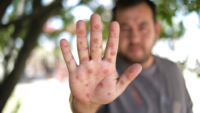
Mpox: Nurse-led public health response
The specialized skills of public health nurses—such as culturally sensitive interviewing, health education tailored to varying literacy levels, patient communication, resource navigation, and planning and implementation of public health interventions—aided in optimizing limited vaccine supplies and ensuring successful intradermal administration.…




Nurse-led research helps older patients manage chronic conditions while living independently
Growing older at home is a goal for many Americans, but managing memory changes alongside chronic health conditions can make that difficult.…
Advancing Medicare payment reforms
The American Nurses Association (ANA) and six national nursing organizations, representing more than 5 million nurses and advanced practice registered nurses in…

Supporting patient dignity through hair care
At our college of nursing, students in a newly formed Black Nursing Student Union developed an initiative to address the gap in…

Purposeful staff rounding
A survey of peer-reviewed literature confirms that structured nurse rounding consistently improves patient satisfaction. Most of the available studies were conducted before…

Emotional intelligence in nursing
This skill enhances communication, resilience, care quality, and more. Takeaways: Emotional intelligence (EI) involves the capacity for self-awareness, self-motivation, and self-regulation. It also involves the ability to recognize feelings of others. EI is associated with improved nurse well-being, workplace performance,…

Breast cancer and nursing care
Breast cancer, the second most common cause of cancer throughout the world, according to the Global Cancer Observatory, is the fourth leading cause of cancer death. In the United States, breast cancer is the most prevalent cause of cancer and…
Understanding and preventing diabetic foot complications
In patients with Type 1 diabetes, glycemic control can nearly halt the progression of neuropathy; however, in those with Type 2 diabetes, glycemic control…
Nurse educator burnout
Burnout, a condition discussed frequently in relation to clinical beside nurses, also impacts nursing faculty. As defined by the American Nurses Association, burnout results…
Ultrasound guidance and PIV insertion
Nurses frequently encounter challenges with peripheral I.V. (PIV) insertion, especially among adult patients with difficult I.V. access (DIVA), resulting in multiple unsuccessful skin punctures.…
Microbiome and depression
Patient education serves as an opportunity for nurses to share information about nutritional interventions that support a diverse gut microbiome aimed at improving overall…

Emotional intelligence in nursing
This skill enhances communication, resilience, care quality, and more. Takeaways: Emotional intelligence (EI) involves the capacity for self-awareness, self-motivation, and self-regulation. It…

Breast cancer and nursing care
Breast cancer, the second most common cause of cancer throughout the world, according to the Global Cancer Observatory, is the fourth leading…
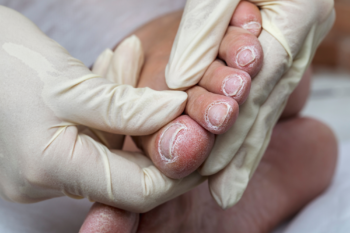
Understanding and preventing diabetic foot complications
In patients with Type 1 diabetes, glycemic control can nearly halt the progression of neuropathy; however, in those with Type 2 diabetes,…

Nurse educator burnout
Burnout, a condition discussed frequently in relation to clinical beside nurses, also impacts nursing faculty. As defined by the American Nurses Association,…

Adolescent overdose
A nurse’s knowledge and quick action result in a positive outcome. Takeaways: When nurses and other healthcare providers can recognize the risks and potential complications of antidepressant overdoses they can help ensure timely treatment. Bupropion carries a higher toxicity risk…
Acute sepsis
Emma Craig, a 68-year-old, alert, and oriented woman with a past medical history of type 2 diabetes, hypertension, and arthritis, is admitted for an elective right total hip arthroplasty. Postoperatively, she remains on the med–surg unit while awaiting transfer to…
Boerhaave syndrome
A 27-year-old man with no significant past medical history received a diagnosis of viral gastroenteritis 2 days ago and has had persistent vomiting despite…
A post-TAVR emergency
Mr. James tells Lizzy, the PACU nurse, that he doesn’t feel well and might pass out. Lizzy knows that conduction disturbances after TAVR can…
Epiglottitis in adults
One week ago, a 46-year-old man developed a sore throat that’s progressively worsened despite supportive therapy, resulting in a visit to the ED. The…
Peritonsillar abscess
When William arrives in the ED, he tells Kara, a triage nurse, that he has right-sided throat pain with radiation to his right ear,…

Adolescent overdose
A nurse’s knowledge and quick action result in a positive outcome. Takeaways: When nurses and other healthcare providers can recognize the risks…
Acute sepsis
Emma Craig, a 68-year-old, alert, and oriented woman with a past medical history of type 2 diabetes, hypertension, and arthritis, is admitted…

Boerhaave syndrome
A 27-year-old man with no significant past medical history received a diagnosis of viral gastroenteritis 2 days ago and has had persistent…
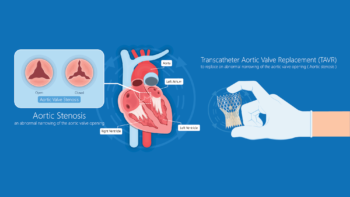
A post-TAVR emergency
Mr. James tells Lizzy, the PACU nurse, that he doesn’t feel well and might pass out. Lizzy knows that conduction disturbances after…

Chronic pain in older adults
Chronic pain is a prevalent and complex health issue among older adults. As noted by Chan and Chan, persistent, long-term pain has far-reaching effects on an individual’s physical, emotional, and social well-being. According to Tinnirello and colleagues, chronic pain, which…

Advancing patient safety through health literacy
Nurses can use organizational ED usage data to identify recurrent diabetes-related visits, stratify patterns by preferred language or other relevant demographic variables when appropriate, and target high-risk transitions with interpreter services, teach-back, medication reconciliation, culturally responsive education, and timely outpatient…
Patient debrief after postpartum hemorrhage
Postpartum hemorrhage (PPH), the leading cause of maternal death according to the World Health Organization, requires time-sensitive and compassionate intervention. The American College of…
Nature and nurture: Practical approaches to wellness
Engaged and supportive nurse leaders who nurture a culture that prioritizes and normalizes self-care can help make a successful shift toward a healthy work…
Addressing pediatric vaccine hesitancy
Studies also have addressed communication strategies that don’t work and should be avoided. For example, nurses shouldn’t assume vaccine misconceptions result from a lack…
Beyond the bite
Nursing management of patients with Lyme neuroborreliosis directly affects outcomes by enabling early recognition of symptoms and facilitating prompt differentiation from other diagnoses such…

Flagged and at risk
According to Ferron and colleagues and Seeburger and colleagues, behavioral flags can serve as a proactive strategy for reducing workplace violence. However,…

Paradigm shift
New ANA position statement emphasizes employer, leader responsibility for nurse fatigue and safety. Have you ever been so exhausted that you felt physically ill or drifted asleep while driving home after a shift? Made or almost made an error due…

Evolving nursing practice
The American Nurse's Association (ANA) Nursing: Scope and Standards of Practice has long served as one of the profession’s foundational documents defining the “what, why, how, who, where, and when” of nursing practice. The 5th edition reflects a deliberate and…
Nurses shaping policy
In practice, nurses may encounter visitation rules that are unclear, inconsistently applied, or influenced by individual interpretation. This causes patients and families to receive…
Nurses leading AI
ANA-convened Think Tank defines a forward path. NO LONGER a future concept in healthcare, artificial intelligence (AI) actively shapes nursing practice today. Recognizing both…
Men’s health equity
According to the American Association of Colleges of Nursing, male nurses comprise only about 13% of the nursing workforce, yet their presence creates meaningful…
Innovation accelerators
What would our global healthcare ecosystem look like if all nurses had access to innovation education, a collaborative innovation network, and mentors skilled in…

Youth vaping detection in primary care
The risks associated with smoking electronic cigarettes (vaping), particularly for adolescents, make it a critical issue for primary healthcare providers. Marketing portrays…
From pain to hope: Nursing care and sickle cell disease
Evelyn and colleagues studied nurses’ knowledge of pain mechanisms in sickle cell disease using an online e-learning module that covered pathophysiology and…

Oxytocin and well-being
Nursing is fundamentally relational. Beyond technical skills, nurses provide presence, touch, and emotional containment elements increasingly recognized as biologically powerful. A growing…

Protecting nurses, preserving dignity
Our emergency department occasionally receives patients from law enforcement wearing spit hoods, and staff continue using them during care. If we have appropriate personal protective equipment (PPE) available, is it ethically acceptable for nurses to continue using spit hoods in…

Truth telling and patients with dementia
Is it ethical to “go along” with a patient who has dementia to prevent agitation? This article is available to American Nurses Association members and ANJ subscribers only. Already a member? Log in here
Behind the curtain
I occupy a leadership role that places me at the decision-making table for complex, often politically sensitive discussions. In this position, I’m exposed to…
Social media influencers
How does the Code of Ethics for Nurses (Code) guide nursing professionals who want to post on social media about their experiences? This article…
Navigating digital privacy after death
A patient died unexpectedly. As I was gathering his belongings as part of post-mortem care, the family asked me to unlock his phone using…
Responding to refusals of basic care
I’m not sure how to respond when my patients decline basic tasks such as hygiene or dressing changes. I’m uncomfortable proceeding with this level…

Protecting nurses, preserving dignity
Our emergency department occasionally receives patients from law enforcement wearing spit hoods, and staff continue using them during care. If we have…

Truth telling and patients with dementia
Is it ethical to “go along” with a patient who has dementia to prevent agitation? This article is available to American Nurses…

Behind the curtain
I occupy a leadership role that places me at the decision-making table for complex, often politically sensitive discussions. In this position, I’m…
Social media influencers
How does the Code of Ethics for Nurses (Code) guide nursing professionals who want to post on social media about their experiences?…

Leading the next generation
As healthcare leadership evolves, particularly post-COVID, the nursing profession faces several challenges, including increased stress, burnout, and incidents of workplace bullying and incivility. In the face of these challenges, healthcare systems continue to work for better patient and provider outcomes.…
Turning a personal crisis into a career shift
A nurse leader now focused on workforce well-being and stability, Nickia Jackson, MSN, RN, has spent more than 25 years watching nurses put everyone else’s needs before their own. Recognizing this behavior in herself is the reason she initially got…
The legal risk of nurse bullying in critical care
Workplace bullying in critical care settings is more than a cultural concern—it’s also a patient safety risk with potential legal consequences. Critical care units,…
Moral injury in nursing: A silent crisis
The silent crisis of moral injury continues to reshape the landscape of nursing, leaving many to question how they can continue in roles that…
The team therapist model
Nurses experience significantly more shared suffering and loss than those in other caring disciplines. If not mitigated, this can lead to disproportionate levels of…
Practicing with epilepsy
Many nurses hesitate to disclose their epilepsy diagnosis or request accommodations due to fears of discrimination, job insecurity, or stalled advancement—concerns described in American…

Leading the next generation
As healthcare leadership evolves, particularly post-COVID, the nursing profession faces several challenges, including increased stress, burnout, and incidents of workplace bullying and…
Turning a personal crisis into a career shift
A nurse leader now focused on workforce well-being and stability, Nickia Jackson, MSN, RN, has spent more than 25 years watching nurses…

The legal risk of nurse bullying in critical care
Workplace bullying in critical care settings is more than a cultural concern—it’s also a patient safety risk with potential legal consequences. Critical…

Moral injury in nursing: A silent crisis
The silent crisis of moral injury continues to reshape the landscape of nursing, leaving many to question how they can continue in…